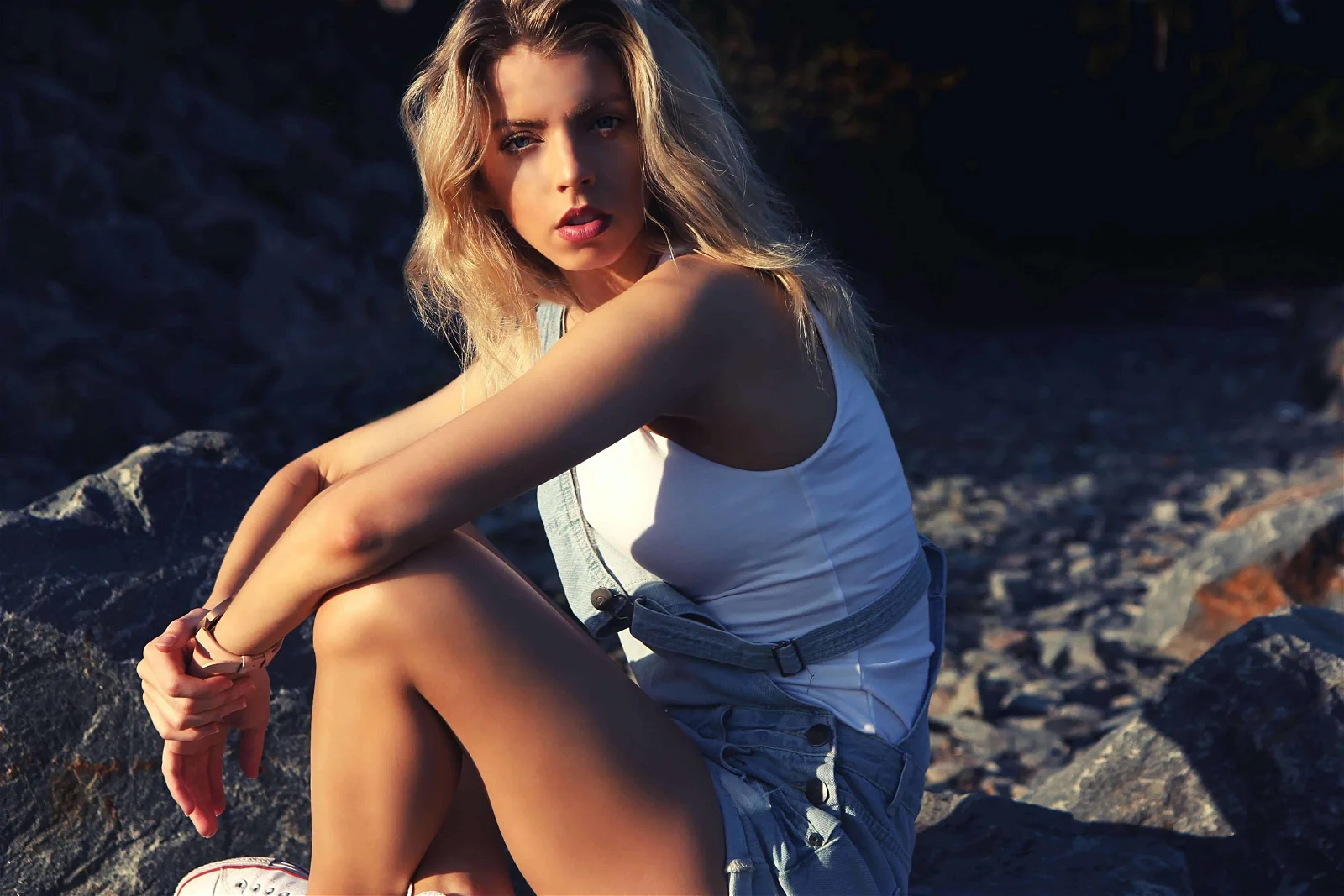
Lighting is the silent architect of emotion in portrait photography. It shapes the atmosphere, defines depth, and conveys personality before a single word is spoken. When handled with precision and artistic intent, it transforms portraits into statements of identity and power. Studios like Bill Barbosa Photography understand that lighting is not just a technical element; it is a narrative device that communicates confidence, sophistication, and authenticity—all essential in luxury branding portraits.
The Evolution of Branding Portraits
Professional portraits were once utilitarian, meant only to display a face. Today, they are visual representations of personal and professional identity. Whether it’s a CEO, creative entrepreneur, or artist, clients want images that project credibility and emotional resonance. The rise of social media and digital portfolios has blurred the line between art and marketing, making lighting design more crucial than ever.
Editorial lighting, often seen in fashion and magazine photography, has now become the defining aesthetic for luxury branding. It adds cinematic flair, sculpted contrast, and emotional dimension that flat lighting simply cannot achieve.
The Aesthetic Language of Editorial Lighting
Editorial lighting is about shaping emotion through intentional control of highlights and shadows. It combines precision with artistry, creating an atmosphere that feels authentic yet elevated. Unlike flat or even lighting, editorial setups use directionality and contrast to reveal depth, character, and personality.
The tone of light—soft, diffused, or dramatic—sets the mood instantly. For example:
-
Soft light evokes approachability and warmth, often used for lifestyle and creative portraits.
-
Directional light adds power, mystery, and visual authority, ideal for executive or leadership branding.
-
Rim lighting outlines contours, creating dimension and cinematic effect.
-
Low-key setups use deep shadows to express intensity and individuality.
Each lighting style speaks a different visual language, and mastering that fluency is what elevates a photographer’s ability to shape narrative.
Creating Visual Identity Through Light
In luxury branding, portraits are not only about appearance; they’re about message. Lighting helps translate personality traits—trustworthiness, innovation, creativity—into visual form. For instance:
-
Warm tones project sincerity and emotional connection.
-
Cool tones suggest modernity and professionalism.
-
High contrast adds visual strength and presence.
-
Balanced gradients convey calmness and precision.
An experienced photographer crafts lighting intentionally to reflect who the subject is and how they want to be perceived. This is why pre-session consultations matter: understanding brand tone allows lighting design to support personal storytelling.
Precision Meets Emotion: The Photographer’s Technical Palette
Lighting mastery involves both creativity and control. Professionals often blend multiple light sources and modifiers to achieve desired outcomes. Techniques include:
-
Feathering the light: Directing the soft edge of light across the subject for subtle highlights.
-
Flagging: Using black panels to block unwanted spill and maintain focus.
-
Bounce lighting: Reflecting light off surfaces to soften the shadows naturally.
-
Gel application: Adding subtle color to evoke brand mood or artistic intent.
Editorial photographers treat light as a sculpting tool. Each adjustment changes not just illumination, but emotion.
Luxury Portraiture and Perception
Luxury photography thrives on intentional imperfection—the illusion of effortless elegance. Controlled asymmetry, organic texture, and depth of field create portraits that feel both aspirational and authentic. The goal is to produce imagery that looks like it belongs in a high-end publication but still feels personal.
For professionals, this type of portrait is more than a photograph; it’s a visual extension of their brand. Executives, artists, and public figures invest in such sessions because they understand the subconscious impact lighting has on perception. Viewers equate refined lighting with trust, creativity, and leadership.
The Emotional Resonance of Shadows
Shadows are not flaws to be eliminated; they are emotional anchors. They define form, intrigue, and visual rhythm. In branding photography, shadows can imply intelligence, mystery, or authority. Skilled photographers use them as punctuation marks—strategic moments of silence within the visual conversation.
This balance between light and shadow mirrors human complexity. Just as every person has depth beyond the surface, strong portraits use shadow to invite curiosity rather than conceal detail.
Integrating Editorial Techniques Into Professional Portraits
While fashion-inspired lighting originated in magazine work, its principles translate powerfully to professional branding. Editorial lighting adds cinematic polish without losing realism. It allows subjects to look natural yet refined, commanding yet approachable.
For instance, split lighting emphasizes strength and contrast for corporate executives, while butterfly lighting creates flattering glamour suitable for creative professionals. The key lies in knowing when to emphasize drama and when to dial it back for authenticity.
Behind the Scenes: Crafting the Session
A luxury portrait session involves meticulous planning. Photographers analyze the environment, the client’s wardrobe, and the desired emotion before deciding on lighting direction.
-
Pre-production: Color palette and tone are mapped to brand aesthetics.
-
Set design: Surfaces, textures, and backgrounds are coordinated for coherence.
-
Session flow: Lighting is adjusted dynamically to respond to client energy and expressions.
Professional portraiture is performance art in collaboration. The lighting becomes choreography—subtle, rhythmic, and deeply personal.
Post-Processing with Integrity
Editing is where technical craftsmanship meets restraint. Retouching should refine without sterilizing. Over-smoothing or overexposure removes the tactile realism that luxury clients expect. A well-executed editorial lighting portrait needs minimal correction because emotion and clarity are already captured in-camera.
Color grading further enhances atmosphere. Subtle desaturation or contrast balancing can evoke timeless elegance. Maintaining a consistent color tone across branding imagery builds recognisability and trust.
The Signature of a Luxury Portrait
What separates an average portrait from an editorial-grade luxury image is the intention behind every decision. Light direction, shadow fall, tone, and post-processing all carry emotional weight. In a professional ecosystem where first impressions happen visually, the lighting language of a portrait can define how a brand is perceived.
Portraiture infused with editorial lighting is not just photography—it’s emotional branding through visual craftsmanship.
Key Lessons for Modern Portrait Artists
-
Study how lighting influences perception, not just exposure.
-
Treat shadows as narrative depth, not errors.
-
Align lighting style with the client’s emotional and professional goals.
-
Prioritize authenticity through subtle imperfection.
-
Let color and tone reinforce brand message.
FAQs
Q1. What makes editorial lighting different from traditional portrait lighting?
Editorial lighting focuses on emotional storytelling and visual depth. It uses controlled contrast and intentional highlights to create a cinematic feel rather than a neutral, evenly lit image.
Q2. How can lighting communicate a personal or professional brand message?
Lighting style shapes perception. Warm, soft light conveys openness and empathy, while bold, directional light conveys authority and sophistication.
Q3. Why do luxury portraits often use shadows intentionally?
Shadows create intrigue and dimension, representing complexity and confidence. They help the portrait feel organic and emotionally engaging.
Q4. How important is post-production in maintaining the lighting effect?
Minimal yet precise editing preserves the integrity of light captured during the session. Over-editing can erase texture and emotional realism.
Q5. What should clients expect from a professional editorial-style portrait session?
Clients should expect consultation, personalized lighting design, and artistic direction that aligns with their brand identity while ensuring they look natural and confident.